LOLER In The Recycling & Waste Management Sector
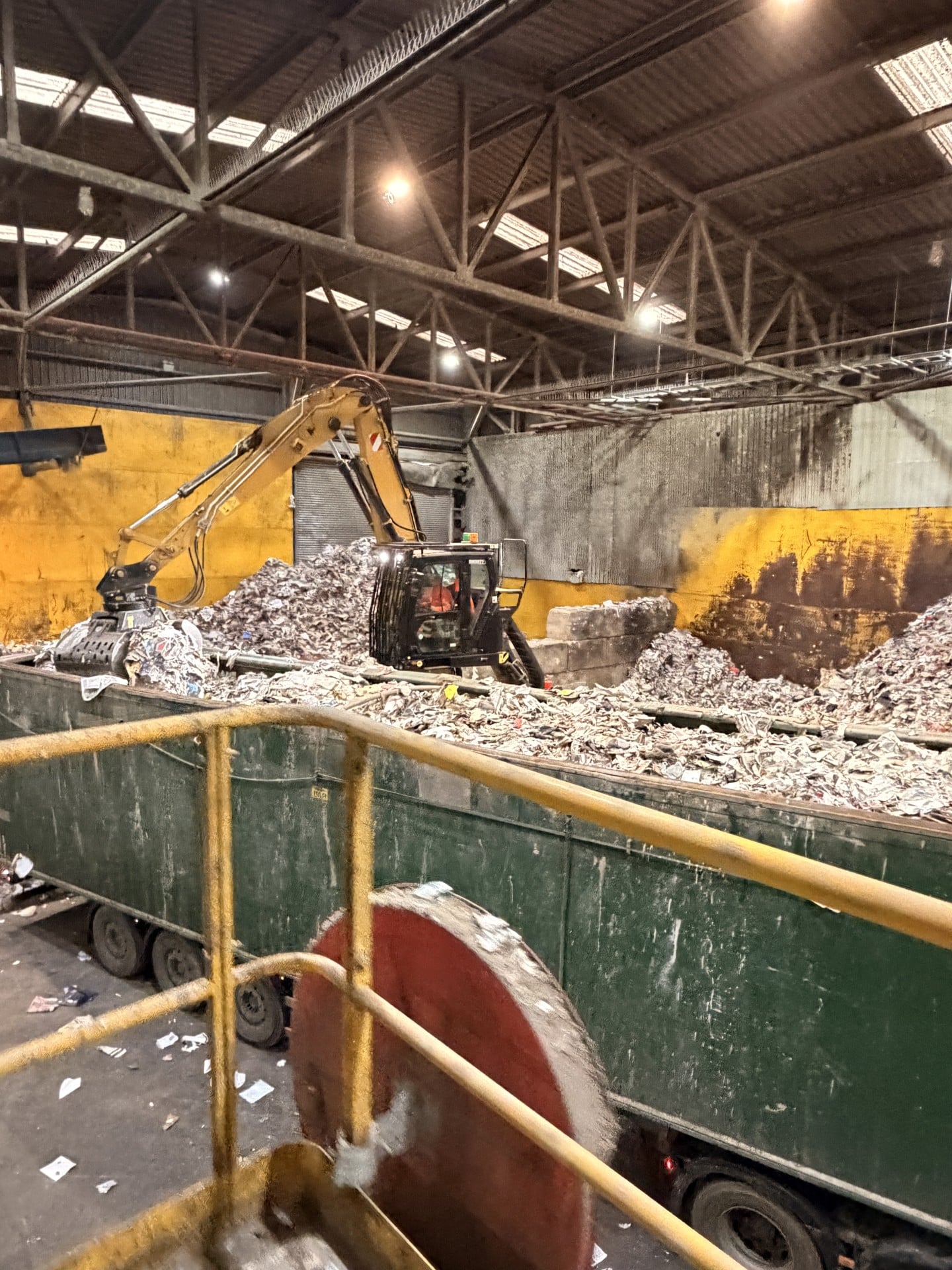
LOLER inspections in the recycling and waste management sector are a critical part of keeping operations safe, compliant, and running efficiently. These environments are among the most demanding in industry, with constant movement of heavy materials, high equipment utilisation, and exposure to harsh operating conditions that accelerate wear and tear. Why LOLER matters in recycling […]
Plant Hire Equipment Inspections

Plant hire companies have a constant responsibility to make sure equipment is safe, compliant, and ready for use before it goes out to customers. That means looking beyond LOLER alone. Many items of plant and work equipment may also need to be assessed under PUWER, which requires work equipment to be suitable, maintained, inspected where […]
What is DNV Container Recertification?
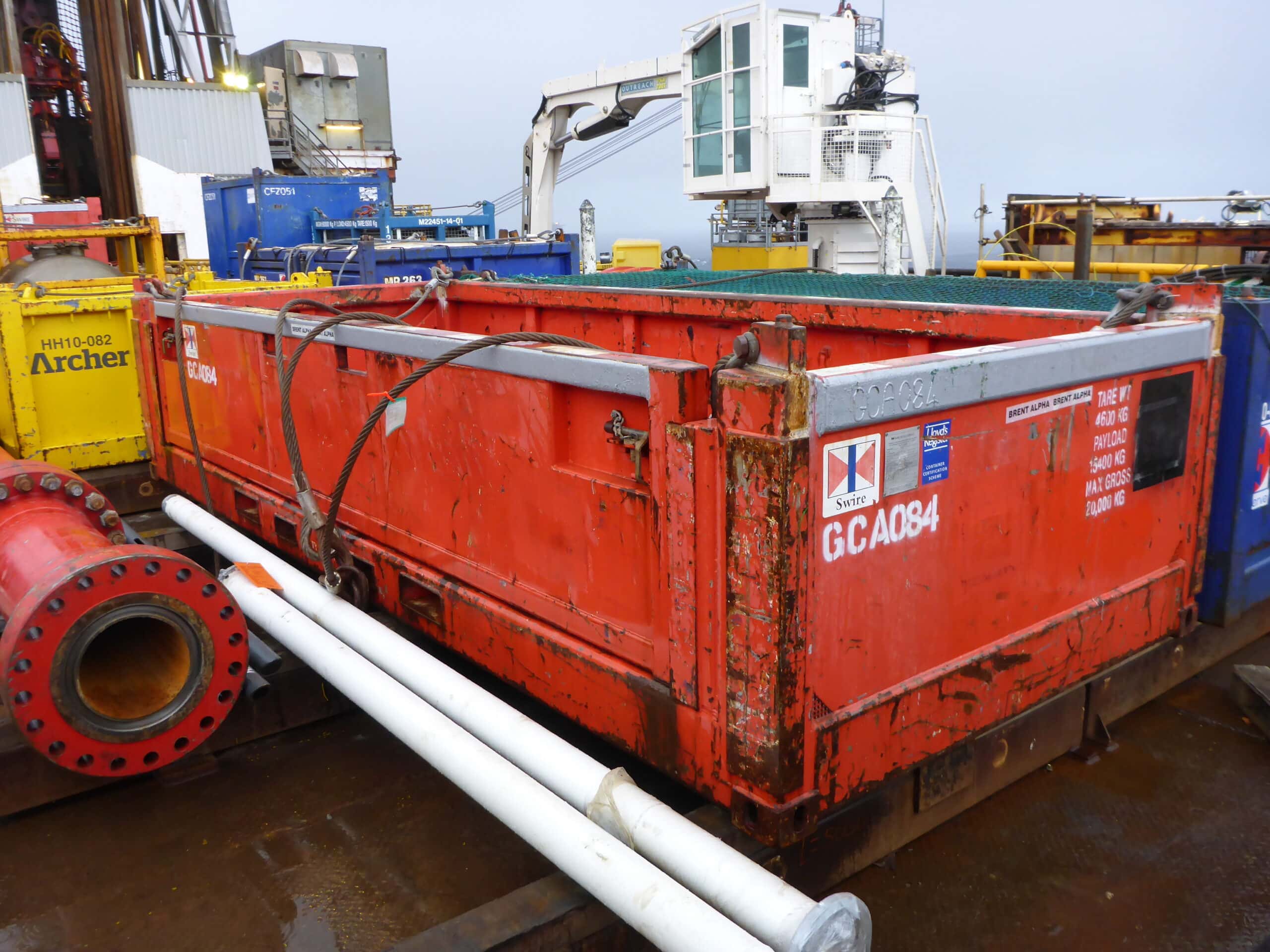
DNV container recertification is the periodic inspection and re-certification process for offshore containers built to the DNV offshore container standard, commonly called DNV 2.7-1 or the newer DNV-ST-E271 standard. These are the containers used on offshore oil & gas platforms, wind farms, and marine projects. Unlike standard shipping containers, DNV offshore containers are designed for: […]
Offshore Pedestal Crane Proof Load Testing: Ensuring Safety, Strength, and Compliance at Sea

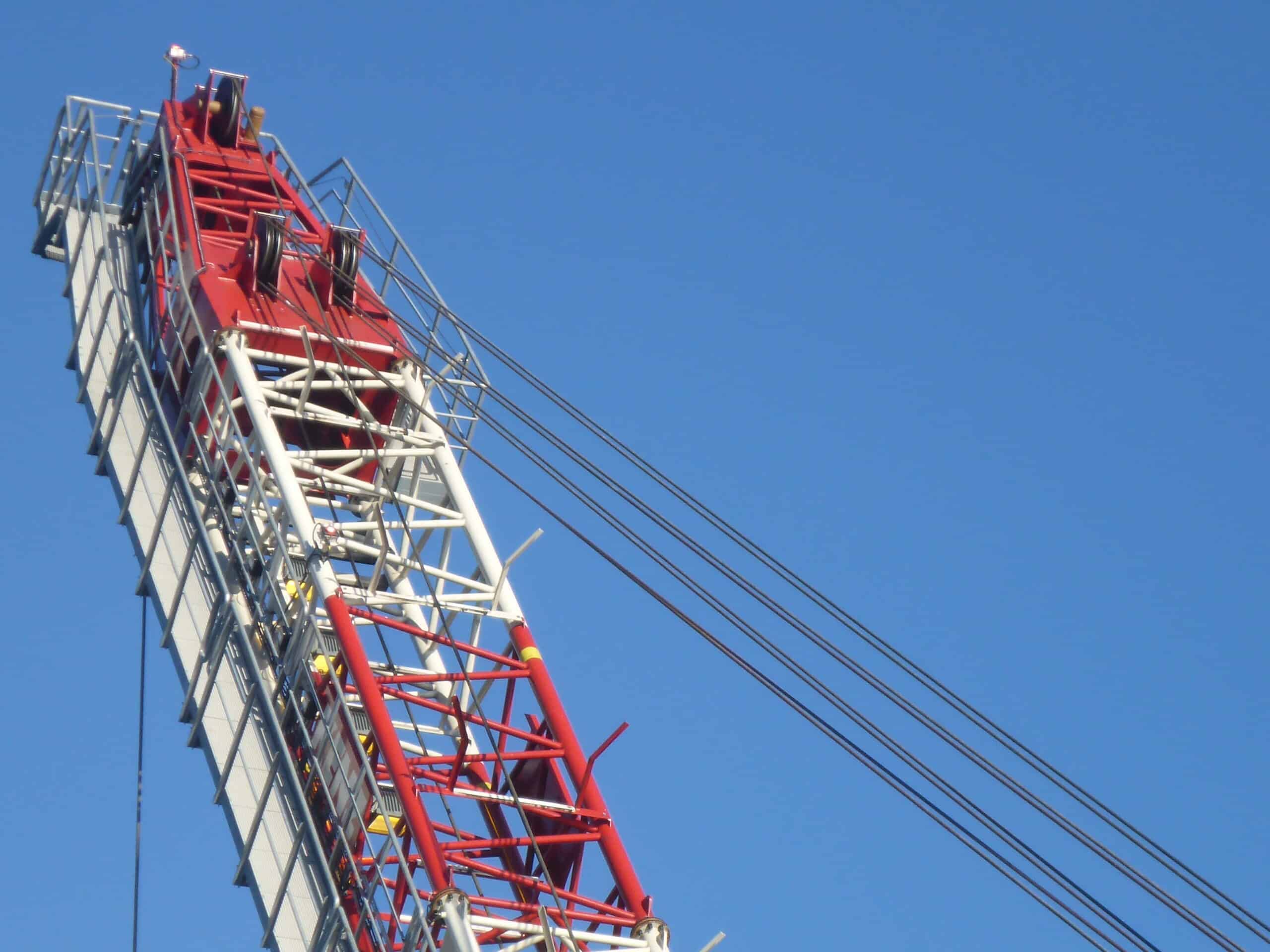
1. Introduction Offshore pedestal cranes are critical assets in the oil and gas, shipping, and offshore wind industries — used for transferring equipment, containers, and personnel between platforms, vessels, and supply boats. Given their exposure to harsh marine conditions and heavy cyclic loads, proof load testing is a mandatory procedure to verify that these cranes […]
Why choose Locked Groove?

At Locked Groove Ltd, we understand that safety and compliance aren’t just tick-box exercises—they’re critical to protecting people, assets, and operations. That’s why we deliver professional, transparent, and reliable LOLER inspections that clients can trust. Here’s what sets Locked Groove Ltd apart: 🔧 1. Competence You Can Rely On Our inspectors are fully qualified and […]
MEWP Failures – What Goes Wrong and How to Prevent It

Mobile Elevating Work Platforms (MEWPs)—including scissor lifts, boom lifts, and cherry pickers—are vital tools for safe access to work at height. However, when MEWPs fail, the consequences can be severe. Falls, entrapment, tip-overs, and equipment damage are just some of the risks that can arise. In this post, we’ll explore the most common causes of […]
Common Excavator Failures and Issues – What to Watch Out For

Excavators are the dynamos of construction, demolition, landscaping, and earthmoving. They’re built for tough conditions, but like any heavy machinery, they’re not immune to wear, damage, and occasional breakdowns. For operators and site managers, knowing the common failures to look out for can help prevent downtime, costly repairs, and – most importantly – safety risks. […]
LOLER Examinations and Testing of Skip Loaders: What You Need to Know
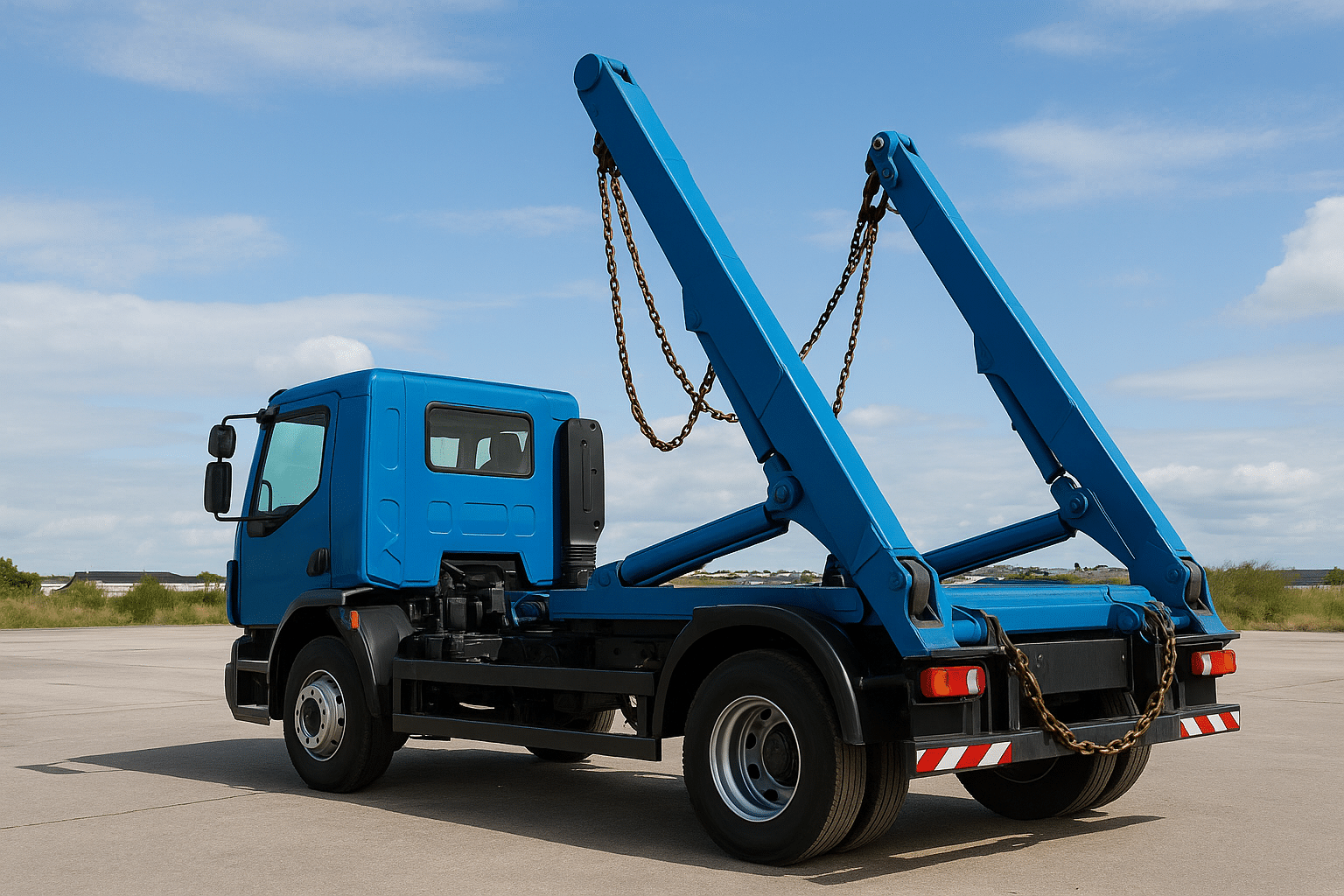
Skip loaders are workhorses across construction, waste, and recycling industries—lifting and transporting skips full of heavy, uneven loads day in and day out. While their reliability is often taken for granted, the lifting arms, chains, and hooks involved are subject to intense stress, making them critical points of failure if not regularly inspected and tested. […]
Common Overhead Crane Failures: Causes, Prevention, and Maintenance

Overhead cranes are essential for material handling in industrial, manufacturing, and shipyard environments. However, failures can lead to safety hazards, operational downtime, and costly repairs. Below is an overview of the most common overhead crane failures, their causes, and preventive maintenance practices. 1. Common Overhead Crane Failures and Causes A. Structural Failures 🔴 Crane Beam […]
Advanced Internal Corrosion on Hollow Steel Structures
Advanced Internal Corrosion on Hollow Steel Structures Internal corrosion in hollow steel structures can compromise their strength and lead to safety hazards. Because internal damage is not always visible externally, advanced inspection techniques are required to assess the structural integrity. Below is a step-by-step guide to detecting internal corrosion in hollow steel structures. 1. Visual […]